
France–Canada Dialogue: The Audiovisual Sector in the Age of AI is a one-day conference organized by the Embassy of France in Canada, the Institut français du Canada, the Coalition for the Diversity of Cultural Expressions and the Directors Guild of Canada. Building on French and Canadian efforts to promote responsible AI that respects human creativity, the conference will bring together French and Canadian experts representing a broad range of cultural stakeholders. Discussions will explore how public policy can address the challenges AI poses to the screen sector, support funding for audiovisual creation, and safeguard the rights of authors and creators.
In partnership with Alliance des producteurs francophones du Canada (APFC), Association québécoise de la production médiatique (AQPM) and Canadian Media Producers Association (CMPA), with support from Telefilm Canada.
Program
09:00 a.m. | Doors Open
09:30 a.m. | Official opening ceremony
- Remarks by Hélène Farnaud‑Defromont, Ambassador of France to Canada
- Remarks by Marie‑Julie Desrochers, Executive Director of the Coalition for the Diversity of Cultural Expressions (CDCE)
- Remarks by Warren Sonoda, President of the Directors Guild of Canada (DGC)
10:00 a.m. – 10:20 a.m. | Conversation – AI and Creativity: What Frameworks Are Needed to Protect Cultural Sovereignty? (Pre-recorded)
- Catherine Morin-Desailly, Senator for Seine-Maritime and Vice-Chair, Senate Committee on European Affairs (2014-20)
- Guillaume Prieur, Director of institutional and european affaires, Société des auteurs compositeurs dramatiques (SACD)
10:20 a.m. – 12:00 p.m. | Panel – What adaptation strategies are needed for public policy and public action in a rapidly evolving environment?
- Aurélien Dirler, Head of International Cooperation and Partnerships Department, National Centre national du cinéma et de l’image animée (CNC)
- Roma Kojima, National Director, Head of AI and Data, CBC/Radio-Canada
- Blair McMurren, Associate Assistant Deputy Minister, Cultural Affairs, Department of Canadian Heritage
- Sébastien Pigeon, Vice President, Legal Services, Information Technology and Corporate Secretary, Téléfilm Canada
- Mathieu Szeradzki, AI Project Director, Ministry of Culture – France
Moderator: Catalina Briceño, Professor and Department chair/ Media School, Université du Québec à Montréal
12:00 p.m. – 1:30 p.m. | Lunch provided on site
1:30 p.m. – 2:15 p.m. | Keynote – AI Policy Adopted by the French Audiovisual and Digital Communications Regulator
- Denis Rapone, Honorary State Consellor, Board Member, ARCOM
2:15 p.m. – 3:15 p.m. | Panel – Use of AI in the Creative Process: Protecting Rights and Promoting Best Practices
- Julien Brunet, Attorney-at-Law, Partner, Co-Founder, BRUNET RIAHI
- Caroline Jonnaert, Practice Leader of the Business and Technology Law Group, Principal, Lawyer, Trademark Agent, ROBIC
- Guillaume Prieur, Director of institutional and european affaires, Société des auteurs compositeurs dramatiques (SACD)
Moderator: Catalina Briceño, Professor and Department chair/ Media School, Université du Québec à Montréal
3:30 p.m. – 4:00 p.m. | Conversation – Télé‑Québec’s Approach to AI in Original Productions
- Virginie Langlois, Director, Editorial Strategy Development, Télé-Québec
- Hélène Messier, President and CEO, Association québécoise de la production médiatique (AQPM)
4:00 p.m. – 5:00 p.m. | Panel – Looking Back at the Lumière Summit: Turning Commitments into Action
- Valerie Creighton, President and Chief Executive Officer, Canada Media Fund
- Aurélien Dirler, Head of International Cooperation and Partnerships Department, National Centre national du cinéma et de l’image animée (CNC)
- Guillaume Prieur, Director of institutional and european affaires, Société des auteurs compositeurs dramatiques (SACD)
- Julie Roy, Executive Director & CEO, Téléfilm Canada
Moderator: Catalina Briceño, Professor and Department chair/ Media School, Université du Québec à Montréal
5:00 p.m. | Reception provided on site
Speaker Biographies
Moderator
Catalina Briceño, Professor and Department chair/ Media School, Université du Québec à Montréal
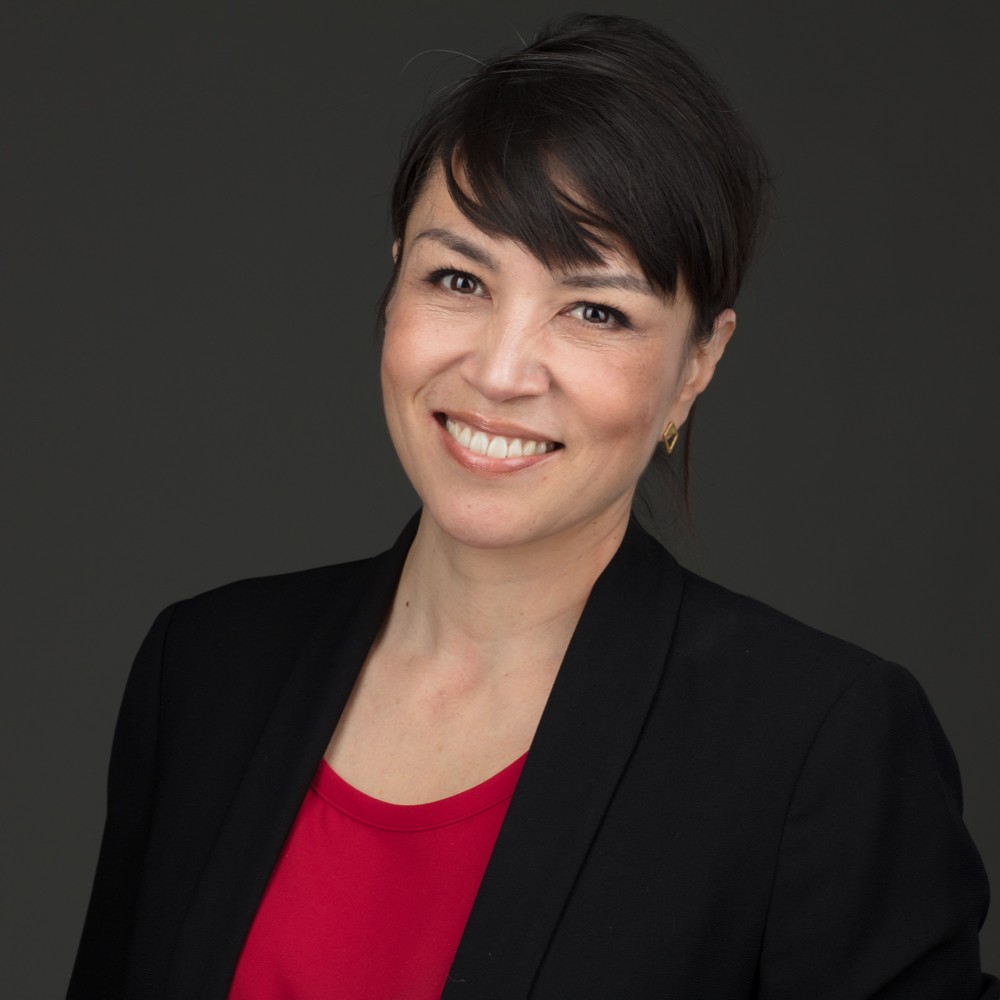
Catalina Briceño is a professor and department chair at the École des médias at the Université du Québec à Montréal (UQAM). A specialist in digital transformation in the cultural and media industries, she has developed recognized expertise at the intersection of academic research, strategic foresight, and public policy in the fields of culture and media. Her work focuses on evolving audience behaviours, production practices, and the economic organization of the creative industries; the discoverability of cultural content in the digital age; and the role of public policy in regulating rapidly changing media ecosystems.
Speakers
Julien Brunet, Attorney-at-Law, Partner, Co-Founder, BRUNET RIAHI
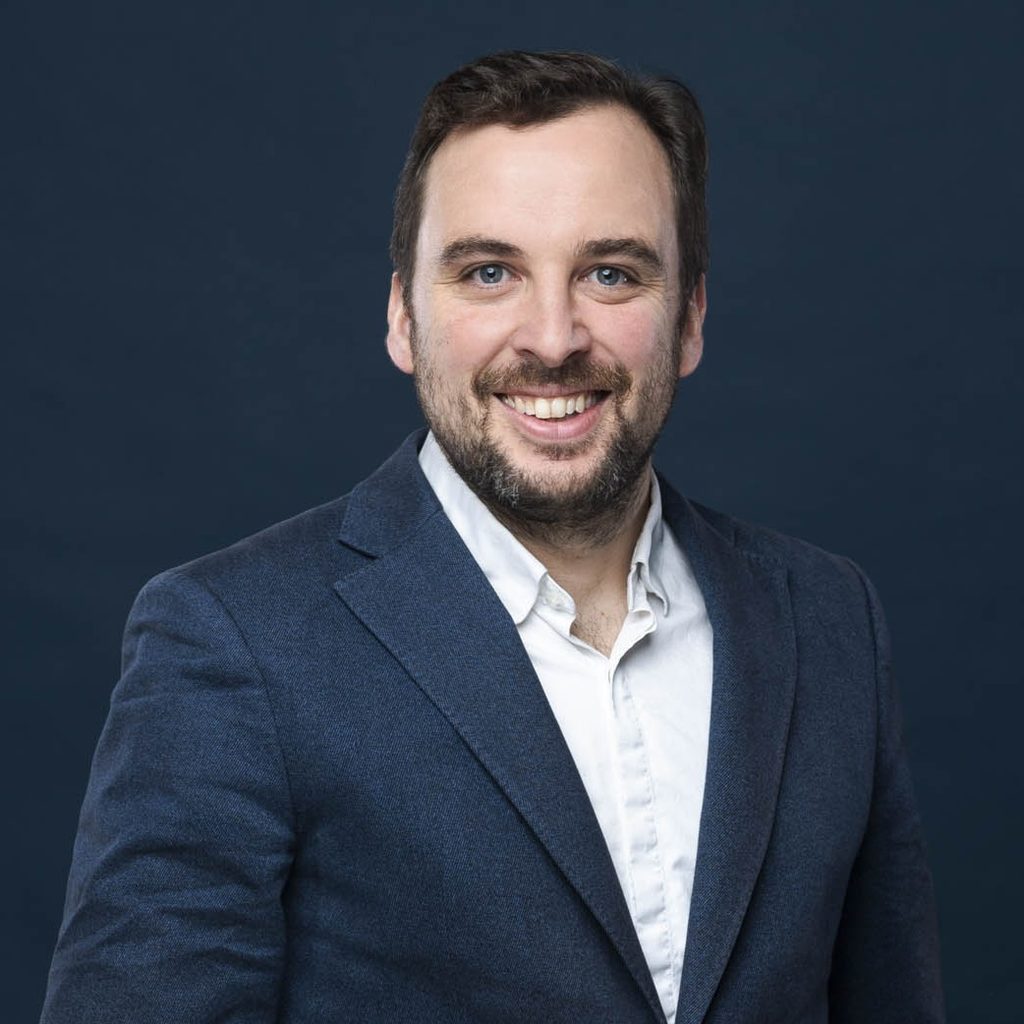
Julien BRUNET co-founded BRUNET RIAHI, a law firm specializing in entertainment law, with Karine RIAHI in April 2024. Previously, he had been a partner at SPRING LEGAL since January 2022, jointly heading its Entertainment and Information Technology Law Department with Karine RIAHI. Julien passed the California Bar Examination in 2021 and was admitted to the California Bar in November 2022. Before earning a Master of Laws (LL.M.) with a specialization in Entertainment, Media and Intellectual Property Law from UCLA School of Law in 2016, he practised entertainment law in France for three years.
This work gave him extensive experience in intellectual property law, particularly copyright, trademark and media law, including film financing. At De Gaulle Fleurance & Associés in Paris, Julien advised production companies on intellectual property and film financing and handled a range of copyright disputes. During his fall semester at UCLA School of Law, he also interned in CBS’s Business and Legal Affairs division, gaining insight into the legal and commercial issues specific to the television industry and a wide range of industry agreements, including free-to-air television output licensing agreements and subscription video-on-demand (SVOD) agreements.
His expertise in this field encompasses advising on financing for film and audiovisual productions; negotiating and drafting production agreements, including copyright assignments, co-production and distribution agreements; assisting with the formation of production companies; and advising on catalogue management and chain-of-title matters. His work spans a wide range of sectors and formats, including scripted content, animation, documentaries, video games, transmedia and cross-media projects, and music.
Julien BRUNET works with producers, distributors, publishers, photo agencies, copyright holders, merchandise licensing managers, television broadcasters, talent, authors and artists. In 2017, he also completed a Post-Completion Optional Practical Training (OPT) placement at Orange Silicon Valley in San Francisco, focusing on data privacy law and immersive technologies (VR/AR). Since 2012, he has regularly contributed articles covering all areas of intellectual property law to Juris Art Etc. (Dalloz), as well as writing for Écran Total, the French film industry trade publication.
Valerie Creighton, President and Chief Executive Officer, Canada Media Fund
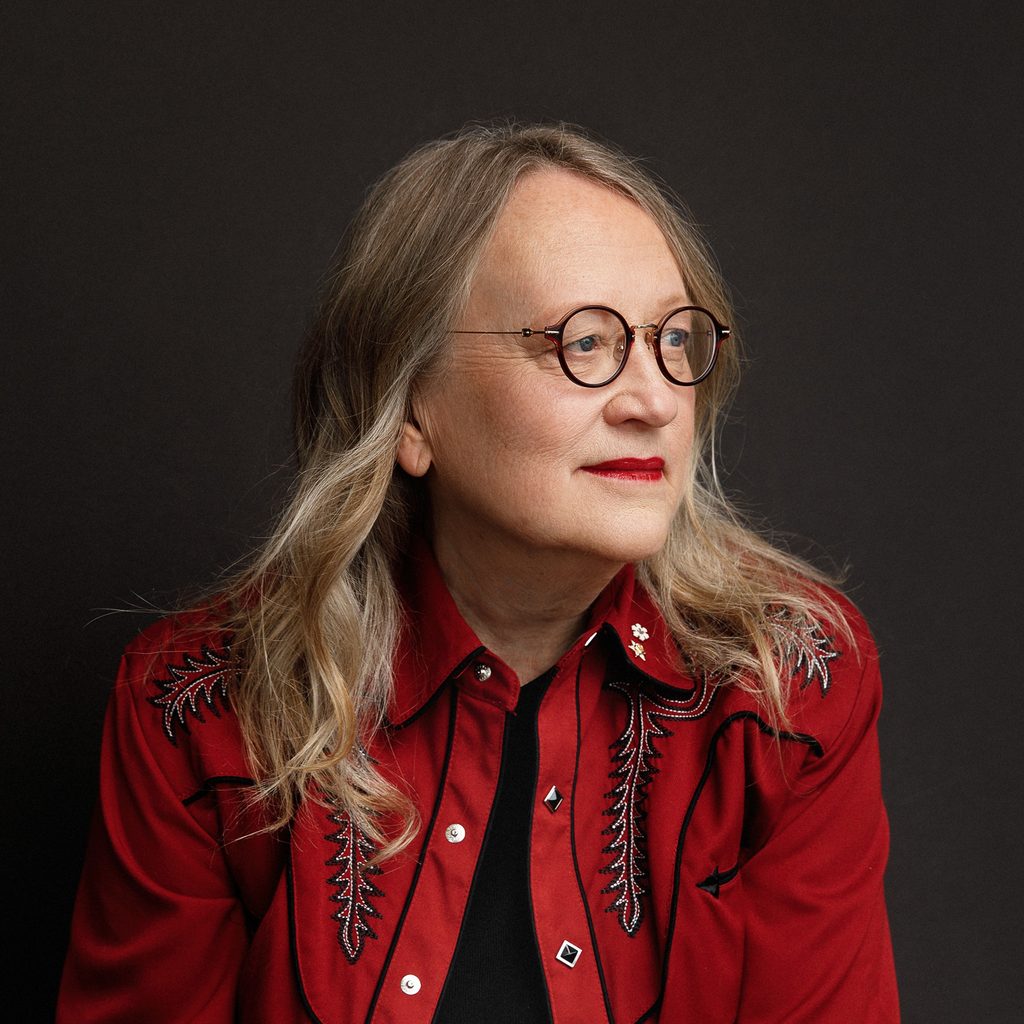
Valerie Creighton is an industry leader in arts and culture, known for reenergizing some of the country’s most important organizations. An expert in organizational change, she has been recognized as a visionary in promoting Canada’s cultural wealth.
Among many accolades, Valerie was invested into the Saskatchewan Order of Merit in 2016 and the Order of Canada in 2019. In 2022, she received the Lifetime Achievement Award from the University of Regina and was awarded the Queen Elizabeth II Platinum Jubilee Medal by her home province of Saskatchewan. In 2024, the Indigenous Screen Office honoured her with a blanket ceremony and Elder Vincent Yellow Old Woman of the Siksika Nation bestowed upon Valerie his deceased sister’s name—Ayitapyaki, Courageous Woman—a great honour given in recognition of her advocacy for Indigenous creators.
In 2025, Valerie was the recipient of the Reelworld Foundation’s first-ever Ally Award. Most recently, she was named to two of The Hollywood Reporter 2026 lists: Most Powerful Women in Canadian Entertainment and Canada’s Top 25 Entertainment Dealmakers.
Aurélien Dirler, Head of International Cooperation and Partnerships Department, National Centre national du cinéma et de l’image animée (CNC)
Aurélien Dirler is Head of the International Cooperation and Partnerships Department at France’s CNC.
From 2020 to 2024, he served as Advisor to the Chairperson of the Taiwan Creative Content Agency (TAICCA), where he worked on audiovisual policy, international cooperation, and the development of Taiwan’s cultural and creative industries, particularly in film, television, and digital content.
From 2016 to 2020, he served as Audiovisual Attaché at the French Office in Taipei, where he developed cooperation between the French and Taiwanese audiovisual sectors, particularly in film, immersive content, and training.
Previously, he served as Audiovisual Attaché at the Consulate General of France in Hong Kong, as International Affairs Project Manager at La Fémis, the French national film school, and as a film programmer at the Paris International Film Festival.
Caroline Jonnaert, Practice Leader of the Business and Technology Law Group, Principal, Lawyer, Trademark Agent, ROBIC
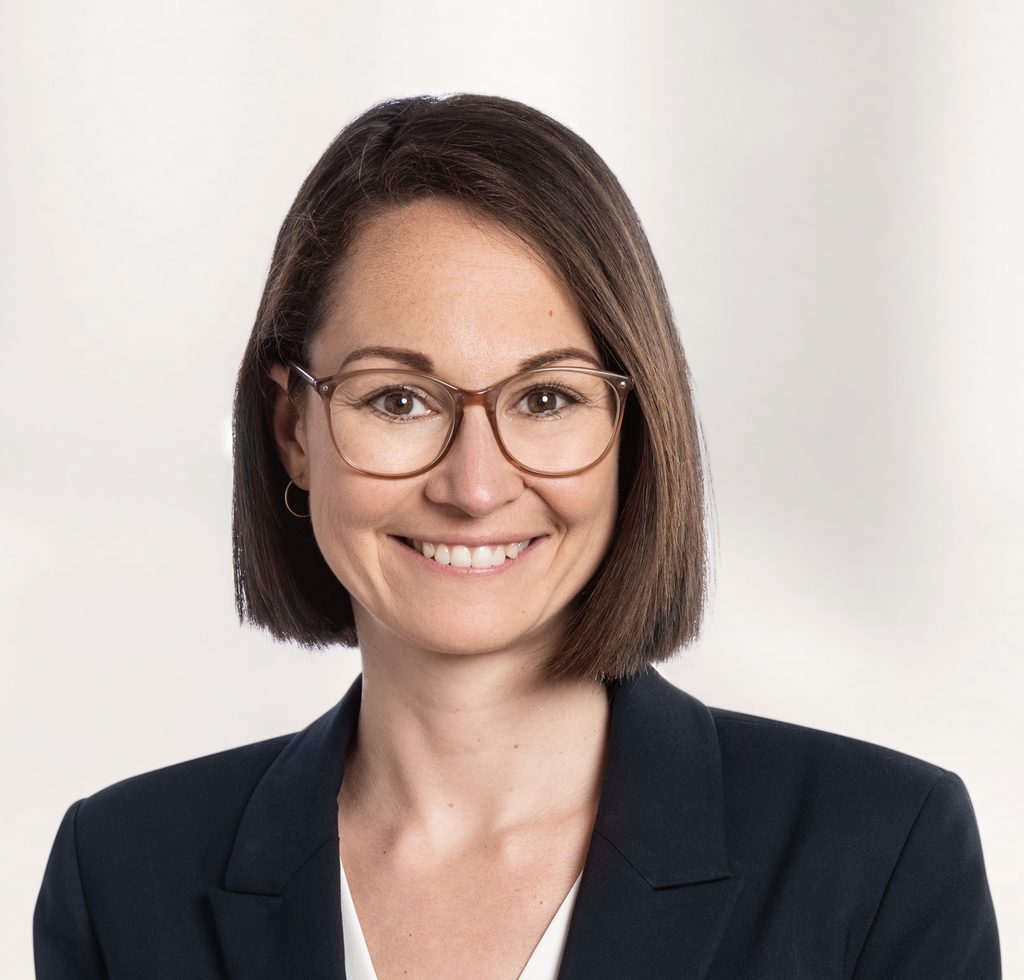
Both Caroline Jonnaert’s academic and professional paths are focused on issues relating to intellectual property and emerging technologies.
She holds a doctorate in law from the Université de Montréal and is the author of a thesis examining the interactions between copyright law and artificial intelligence. This work was published and received a distinction of excellence, as well as recognition on the Rector’s Honour List.
In her professional practice, Caroline regularly works on complex intellectual property matters, both from a contractual and strategic perspective. She advises a diverse clientele, including actors from the cultural and media sectors, public organizations, and innovative companies, including in contexts where artificial intelligence–related issues are central.
Caroline also contributes to reflections led by governmental bodies, notably as an expert to the Conseil de l’innovation du Québec in 2023 and since 2026, as a member of the Commission de l’éthique en science et en technologie.
She has also been actively involved in the academic community. Caroline taught a course on copyright in music at the Université de Montréal, participated in research projects, and supervised the university’s intellectual property legal clinic. She is a speaker and the author of several publications in intellectual property, some of which have been cited in leading reference works as well as by the courts. Her expertise has been recognized on multiple occasions through the awarding of prizes and distinctions in intellectual property.
Roma Kojima, National Director, Head of AI and Data, CBC/Radio-Canada
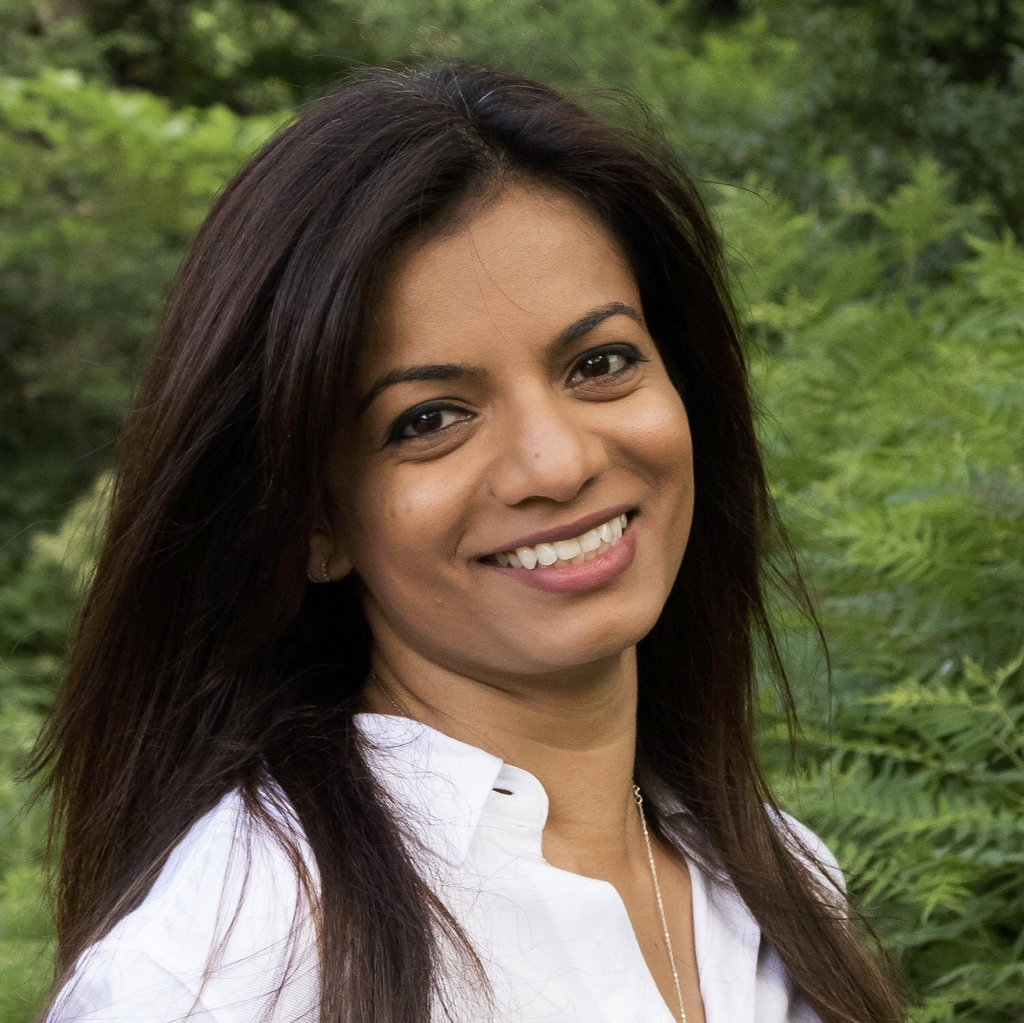
Roma Kojima serves as National Director of AI & Data at CBC/Radio-Canada, leading the Corporation’s AI and data strategy, governance, and innovation enablement.
She joined the public broadcaster in 2017 to launch and manage CBC Gem and has since held leadership roles spanning digital customer operations, data strategy, and governance. Her background includes over 25 years in media, print and digital publishing, e-commerce, and B2B sales across the public and private sectors.
She is based in Toronto.
Virginie Langlois, Director, Editorial Strategy Development, Télé-Québec

For more than 20 years, Virginie Langlois has worked in the television and media industries, driven by a passion for content and its ability to connect with audiences.
After getting her start in production, she joined Télé-Québec more than 10 years ago, where she has contributed to the development of numerous projects, including both original productions and international acquisitions.
From 2020 to 2026, she led Télé-Québec’s general-audience content, overseeing a wide range of genres, from fiction and documentaries to magazines, variety shows, and podcasts.
Today, as Director of Editorial Strategy Development, she helps shape the content ecosystem and the Télé-Québec experience of tomorrow. Her work focuses on innovation, discoverability, and new ways of building lasting connections with audiences, always with the public broadcaster’s mission at the heart of her thinking.
Blair McMurren, Associate Assistant Deputy Minister, Cultural Affairs, Department of Canadian Heritage
Blair McMurren is Associate Assistant Deputy Minister of Cultural Affairs at Canadian Heritage, with responsibility for policy and programming in support of Canada’s cultural sector and creative industries. This includes shaping Canada’s approach to digital platform governance, with an emphasis on fostering a safe, inclusive and competitive environment online for the production and discovery of Canadian cultural content as well as reliable information, civic journalism and democratic engagement.
He was previously Director General of Strategic Policy and International Affairs at the Department of Canadian Heritage (PCH), since 2018, where he was responsible for corporate policy development exercises such as Budget and transition planning, international and intergovernmental affairs, Cabinet and parliamentary affairs, and the federal Human Rights Program, as well as the PCH Innovation Lab and outcomes of an Equity, Diversity and Inclusion Review of departmental grants and contributions programs.
Formerly, he also held the position of Director of Social Innovation at Employment and Social Development Canada (ESDC), where he was responsible for policy development as well as outreach and engagement related to the Government of Canada’s commitment to develop a federal Social Innovation and Social Finance Strategy, and co-led work to design and launch the ESDC Innovation Lab.
Prior to that, he worked in the Priorities and Planning Secretariat at the Privy Council Office.
Blair was born and raised in Lethbridge, Alberta.
Hélène Messier, President and CEO, Association québécoise de la production médiatique (AQPM)

Hélène Messier is a lawyer specializing in intellectual property and has been working in the cultural sector for over thirty years.
Since 2015, she has served as President and CEO of the Association québécoise de la production médiatique after more than 17 years at the helm of Copibec, a copyright collective representing the written and visual arts sector. She was Director of the Union des écrivaines et écrivains québécois from 1988 to 1992, and then worked for six years as Head of Copyright and Director of Business Development and New Media for the Canadian Broadcasting Corporation.
In addition to sitting on the Board of Directors of the CDEC, she is a member of the professional representation committee of Québec Cinéma, the Observatoire de la Culture et des Communications and the Société collective des droits de retransmission.
A member of the Barreau du Québec, she also holds a master’s degree in public administration.
Sébastien Pigeon, Vice President, Legal Services, Information Technology and Corporate Secretary, Téléfilm Canada

As Vice President, Legal Services, Information Technology and Corporate Secretary at Telefilm Canada, Sébastien Pigeon leads the organization’s artificial intelligence file and recently oversaw the development of its AI business policy.
A lawyer with a master’s degree in Information Technology Law from Université de Montréal, he also serves as Vice-Chair of the Canadian Heritage AI Working Group, contributing actively to national discussions on the subject. He is frequently invited to participate in conferences addressing the challenges and opportunities associated with the use of AI in the audiovisual industry.
He has been active in the audiovisual industry since 2001, holding various roles, including Executive Producer at Aetios and Executive Vice President at Sphère Média. He also served on the board of the CMPA until 2025.
Guillaume Prieur, Director of institutional and european affaires, Société des auteurs compositeurs dramatiques (SACD)
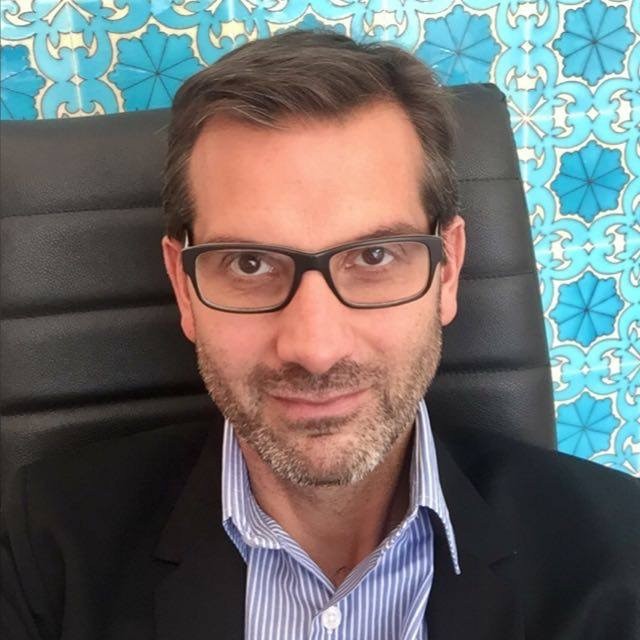
Guillaume Prieur is the president of the IFCCD. A graduate in public law from the University of Rouen and political science from the Institut d’Etudes Politiques de Paris, he is the Director of Institutional and European Affairs of the Société des Auteurs et Compositeurs Dramatiques (SACD), the oldest authors’ society in the world founded by Beaumarchais in 1777. He is the General Secretary of the French Coalition and the European Coalitions for Cultural Diversity.
Denis Rapone, Honorary State Consellor, Board Member, ARCOM
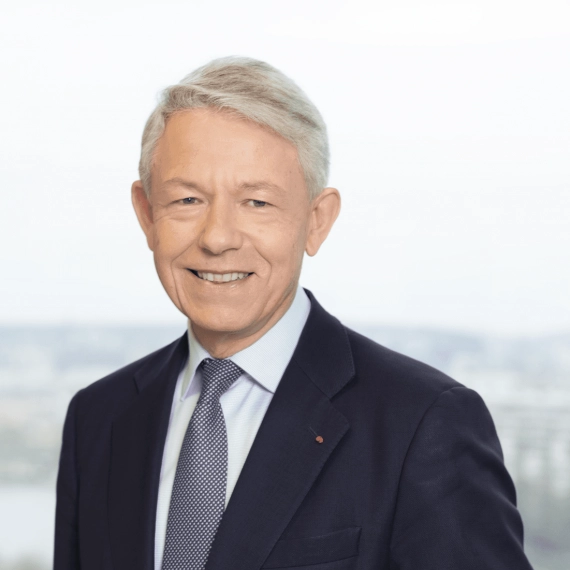
A graduate of Sciences Po Paris and of law, Denis Rapone began his career as a judge at the Meaux Regional Court before joining the Ministry of Justice and the General Secretariat of the Government. He then served as an adviser to Jacques Toubon, Minister of Justice, before joining the Conseil d’État in 1996.
In 2002, he was appointed Justice Adviser to Prime Minister Jean-Pierre Raffarin.
In 2004, he became Director General of the Conseil supérieur de l’audiovisuel (CSA), and in 2007, a member of the Board of Arcep, France’s electronic communications and postal regulatory authority. He returned to the Conseil d’État in 2013 and was appointed to the Board of Hadopi in 2014, serving as its Chair from 2018.
In January 2022, he was appointed to Arcom, where he chairs the “Protection of Rights on the Internet” working group and serves as Vice-Chair of the “Pluralism and Ethics in News and Programming” group.
Julie Roy, Executive Director & CEO, Téléfilm Canada

Julie Roy has been Executive Director and CEO of Telefilm Canada since April 2023. With 30 years of experience in the audiovisual industry, including 20 years at the National Film Board of Canada, she has contributed to works recognized on the world’s most prestigious international stages. At a time of profound transformation in the sector, she is leading a strategic review of Telefilm’s programs to support industry growth, expand audience reach, and maximize the impact of public investments. Her vision is to make Canadian and Indigenous cinema an essential showcase of the country’s cultural identity.
Mathieu Szeradzki, AI Project Director, Ministry of Culture – France

Mathieu Szeradzki is a graduate of Sciences Po Paris, Ecole supérieure de commerce de Paris business school and École Nationale d’Administration (ENA). He began his career as a journalist (Le Monde, France 24) before working in cultural diplomacy in several French embassies (Israel, Morocco, Australia) and at the Institut français headquarter in Paris. He worked as consultant for the private sector (Vivendi) and the United Nations.
Mathieu Szeradzki joined the French Ministry of culture in 2022 to work on issues related to media and information. He is the director of AI project since November 2025 with the main objective to deploy the AI strategy of the ministry and coordinate all uses, needs, and objectives related to AI among cultural operators.